

The Legacy of Rug Weaving in Pakistan: Tradition Behind Nasim Carpets
Historical Significance of Rug Weaving in Pakistan
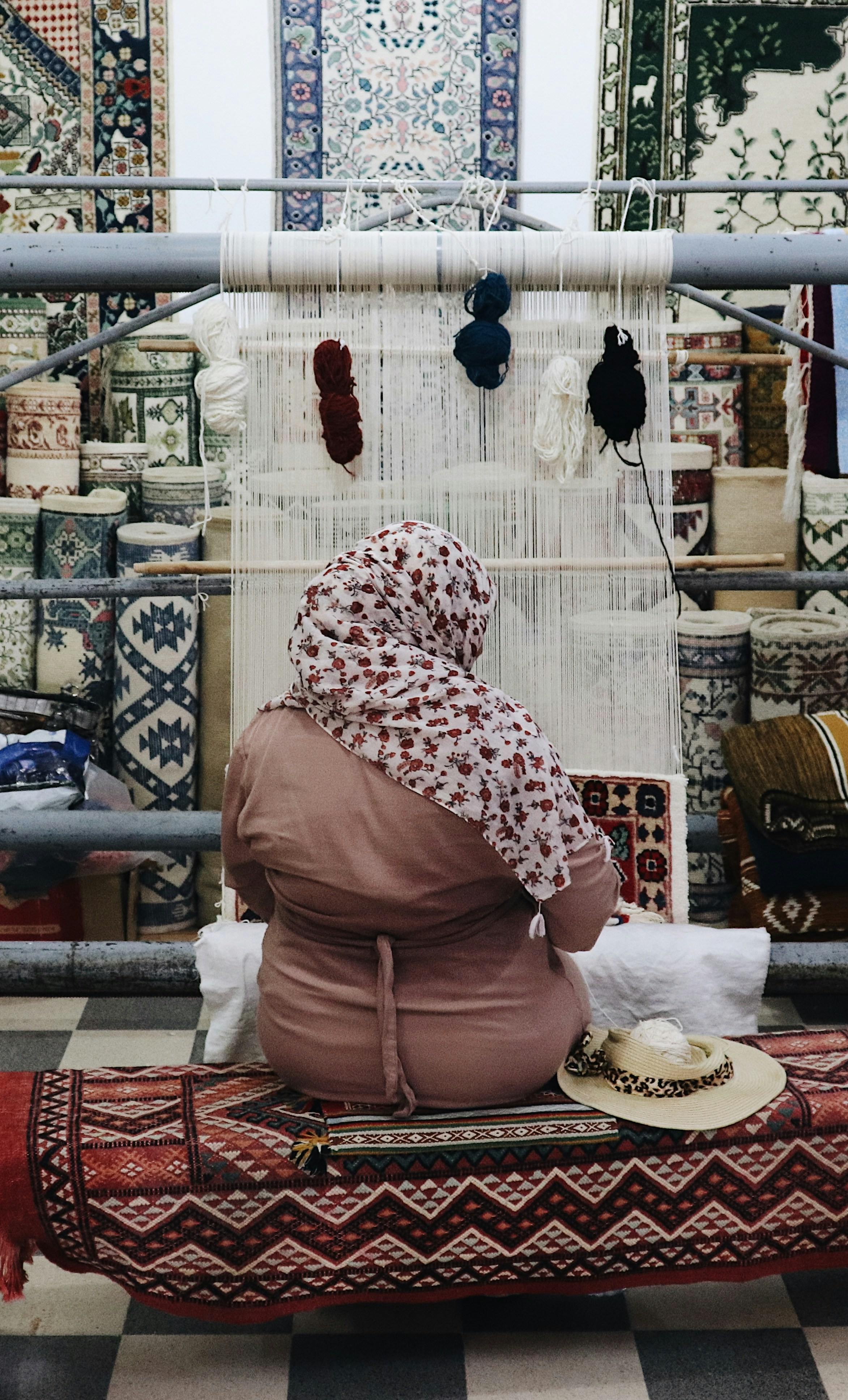
The craft of rug weaving in Pakistan boasts a rich and intricate history, dating back thousands of years. Its origins can be traced to ancient civilizations that thrived on the Indian subcontinent, where weaving techniques began as essential practices for functional textiles. The art of rug weaving evolved through various cultural influences and regional practices, creating a diverse tapestry of styles that characterize the unique heritage of Pakistani carpets.
Historically, the early methods of rug weaving employed natural materials such as sheep wool, cotton, and silk, which were sourced locally. These materials not only contributed to the durability of the carpets but also allowed craftsmen to create intricate designs that reflected the cultural identity of the regions. For instance, the use of vibrant dyes derived from indigenous plants showcased the local flora and customs, illuminating the connection between the environment and the artistic expression found in each rug.
The geographic diversity of Pakistan has also played a significant role in shaping distinct weaving styles. The northern regions, for example, are known for their high-quality wool and intricate Kashan patterns, whereas Punjab showcases the influences of Mughal aesthetics with floral designs and bold color palettes. This regional specialization has not only enriched the heritage of rug weaving but has also facilitated a sense of pride among local artisans.
Furthermore, the establishment of trade routes through the region further catalyzed the evolution of rug weaving practices. Interactions with neighboring cultures, such as Persian and Central Asian influences, led to the exchange of techniques and motifs that were incorporated into local designs. These cultural exchanges contributed to the broader tapestry of artistry known today, securing Pakistan’s reputation in the global carpet industry while venerating the age-old tradition of weaving. As such, the legacy of rug weaving remains a testament to the resilience and creativity of the Pakistani people.
The Artistic Techniques of Nasim Carpets
Nasim carpets are renowned for their exceptional craftsmanship, which manifests through the meticulous techniques employed by skilled artisans in Pakistan. Each carpet is a testament to the rich cultural heritage and artistic flair of the region, characterized by intricate designs, vibrant patterns, and a well-thought-out color palette. The creation of Nasim carpets begins with selecting high-quality materials, predominantly wool and silk, which are essential for achieving both durability and aesthetic appeal.
One of the most significant artistic techniques utilized in Nasim carpets is the use of traditional knotting methods, specifically the Persian knot. This technique allows artisans to create tightly woven carpets with intricate designs and details. Each knot requires immense precision and dexterity, as artisans work meticulously to ensure that the overall pattern is both complex and harmonious. The density of the knots can vary depending on the desired outcome, with finer knots resulting in greater detail and clarity in the design.
In addition to knotting techniques, the artisans employ a distinct approach to color blending and dyeing. Natural dyes obtained from local plants and minerals are often used, resulting in rich, vibrant hues that have the ability to age beautifully over time. The artisans have mastered the art of color theory, creating palettes that complement one another while reflecting the themes and motifs that are culturally significant to the region. Common motifs often include geometric patterns, floral designs, and traditional symbols that carry historical significance.
Furthermore, the craftsmanship involved in weaving and finishing each Nasim carpet is a testament to the time-honored traditions of Pakistani rug weaving. Tools such as wooden looms and brushes are essential in the final stages, where artisans carefully trim and groom the carpets to achieve a flawless finish. This meticulous attention to detail highlights not only the artistic techniques employed but also the dedication of artisans who have inherited their skills through generations.
Cultural Symbolism and Design Inspirations
The art of rug weaving in Pakistan, exemplified by the craftsmanship of Nasim carpets, is steeped in rich cultural symbolism and intricate design. Each carpet serves not merely as a decorative item, but as a tapestry woven with narratives that reflect regional folklore, the natural environment, and significant historical events. The motifs and patterns found in these carpets often draw inspiration from the surrounding landscape, with floral designs that echo the vibrant life of the local flora, as well as geometric shapes that illustrate traditional architectural elements. This blend of nature and culture creates a unique visual language that resonates deeply within the hearts of those who cherish these artisanal creations.
Furthermore, the designs are often infused with symbolic meaning. For instance, a motif representing the sun may symbolize warmth and life’s cyclical nature, while a pattern reminiscent of flowing rivers might signify prosperity and continuity. The use of color also plays a critical role in conveying emotional and spiritual connections, with earthy tones recalling the rich soil of the homeland and vibrant colors reflecting the exuberance of cultural festivals. With each Nasim carpet, artisans not only demonstrate their technical skill but also provide insight into the beliefs, values, and historical narratives that have shaped Pakistani society over the centuries.
As such, these carpets transcend their functionality as mere floor coverings; they serve as vessels of storytelling, connecting past traditions to contemporary aesthetics. This enduring legacy ensures that the art of weaving remains a vital link to Pakistan’s cultural identity, while also cultivating appreciation for the unique intricacies embedded in every design. In recognizing the significance of these carpets, we celebrate the ongoing dialogue between heritage and artistry that continues to flourish in the realm of rug weaving.
The Modern Impact of Nasim Carpets and Sustainable Practices
The rug weaving industry in Pakistan, particularly through the lens of Nasim carpets, has experienced significant transformation in recent years. As globalization reshapes traditional craft sectors, artisans are compelled to navigate contemporary challenges while preserving their cultural heritage. The emergence of mass-produced carpets and changing consumer preferences have posed risks to the longevity of handwoven textiles. Nevertheless, the artisans behind Nasim carpets are adapting to these shifts by embracing innovation while remaining committed to their age-old techniques.
Various initiatives have surfaced to promote sustainable practices in the manufacturing process of Nasim carpets. Artisans have started employing eco-friendly materials and utilizing traditional dyes derived from natural sources. This shift is not merely a response to environmental concerns but also aligns with a growing consumer demand for ethically made products. By prioritizing sustainability, producers enhance the appeal of Nasim carpets while reinforcing their social and environmental responsibility.
The integration of modern technology has also played a crucial role in revitalizing the rug weaving industry. Digital marketing platforms allow artisans to connect directly with global consumers, bypassing traditional distribution channels. This not only enhances their economic viability but also elevates the visibility of their craftsmanship. Artisans are increasingly using social media to share their stories and demonstrate their weaving techniques, fostering greater appreciation for their work.
Moreover, collaborations between artisans and contemporary designers have begun to emerge, leading to innovative rug designs that encapsulate both tradition and modern aesthetics. Through these partnerships, the legacy of Nasim carpets continues to thrive, blending cultural significance with contemporary relevance. As the industry adapts to new realities, the rich tapestry of Pakistan’s rug weaving culture holds promise for future generations while remaining an enduring emblem of tradition.