

Eco-Friendly Carpets in Pakistan: Natural, Non-Toxic, and Handmade
Introduction to Eco-Friendly Carpets
The rising awareness about environmental sustainability has led to a significant shift in consumer preferences, particularly in the textile industry. Among various home decor elements, carpets hold a vital place, and the demand for eco-friendly carpets in Pakistan has seen remarkable growth. Eco-friendly carpets, distinguished by their natural materials and non-toxic properties, not only contribute to a healthier living environment but also resonate with the ideology of sustainable living.
In recent years, the impact of synthetic carpets on health and the environment has been brought to light, prompting many individuals and businesses to seek alternatives that embody minimal ecological footprints. Eco-friendly carpets are often crafted from renewable resources such as wool, jute, and cotton, providing both durability and comfort without compromising the health of the occupants. These materials are biodegradable, ensuring that when carpets reach the end of their lifecycle, they will not add to landfill waste. The increasing emphasis on creating a greener planet aligns perfectly with the attributes of these sustainable carpets.
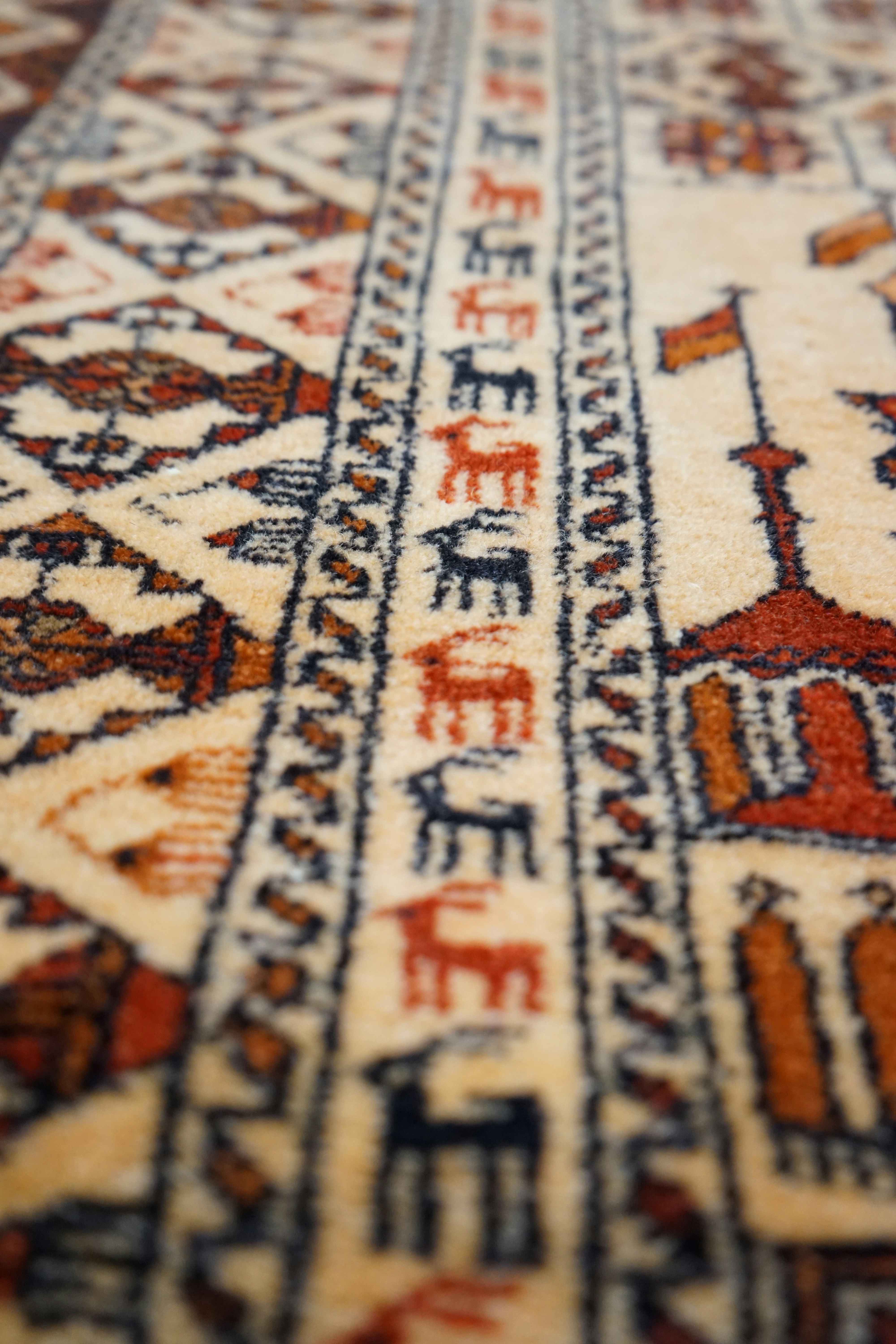
Furthermore, the traditional craftsmanship inherent in handmade carpets is an integral aspect of their appeal. Artisans often employ time-honored techniques passed down through generations, blending artistry with sustainability. Handmade eco-friendly carpets signify not only a commitment to environmental consciousness but also an appreciation for cultural heritage and craftsmanship. Each piece tells a story, showcasing the skill and passion of the artisan behind its creation.
As we delve deeper into the materials and benefits associated with eco-friendly carpets, it is crucial to acknowledge their role in fostering a cleaner, healthier living space in Pakistan. The pursuit of sustainable home decor options is becoming increasingly vital for consumers who value both aesthetics and ecological responsibility.
Materials Used in Eco-Friendly Carpets
Eco-friendly carpets are crafted using a variety of natural materials, each with unique environmental benefits, durability, and comfort levels. Among the most common materials used in the production of these carpets are wool, cotton, jute, and flax. These materials not only contribute to a healthier indoor environment but also align with sustainable practices that emphasize the importance of sourcing raw materials responsibly.
Wool is a popular choice for eco-friendly carpets due to its natural insulation properties and durability. This biodegradable material is harvested from sheep and is not only comfortable underfoot but also resistant to dirt and stains. Furthermore, wool helps regulate humidity levels, making it an ideal material for maintaining a healthy indoor climate. The renewable nature of wool adds to its appeal, as sheep can be shorn annually without harm.
Cotton, another widely used material, offers a soft texture that makes it an attractive option for households. When sourced organically, cotton carpets minimize the use of harmful pesticides and chemicals, promoting healthier environments. In addition, cotton is highly absorbent, which helps in maintaining moisture levels and contributing to overall air quality.
Jute is often celebrated for its strong, durable texture and its ability to come from a fast-growing plant that requires minimal water. As a biodegradable and renewable resource, jute carpets are not only trendy but also environmentally friendly. They provide a rustic aesthetic while supporting sustainable farming practices.
Flax, known for its fibrous and resilient characteristics, is another excellent option for eco-conscious consumers. Used primarily to make linen-like carpets, flax is sustainable and comfortable. By choosing carpets made from these natural materials, consumers can ensure their choices contribute to an eco-friendly future, emphasizing the significance of making sustainable choices in carpet production.
The Benefits of Non-Toxic Carpets
Non-toxic carpets, particularly those crafted from natural materials, offer numerous health and environmental benefits, making them an ideal choice for homes and businesses. Unlike traditional carpets, which can release harmful chemicals and pollutants, eco-friendly carpets contribute to a healthier indoor environment. By opting for non-toxic carpets, individuals significantly reduce the risk of indoor air pollution. Many conventional carpets are treated with synthetic chemicals, such as volatile organic compounds (VOCs), which can lead to respiratory issues and long-term health concerns. Non-toxic alternatives eliminate these risks, ensuring cleaner air for occupants.
Another significant benefit of non-toxic carpets lies in fire safety. Many synthetic carpets contain flame-retardant chemicals, which have been linked to various health issues. Non-toxic carpets, particularly those made from natural fibers like wool, jute, or cotton, inherently possess more fire-resistant properties without the need for harmful additives. By choosing these natural options, homeowners can maintain aesthetic appeal without compromising safety.
In addition to health and safety advantages, supporting local artisans in Pakistan who produce eco-friendly carpets promotes sustainable livelihoods. By purchasing handmade carpets, consumers help sustain traditional craftsmanship while reducing reliance on mass-produced, potentially harmful materials. Supporting these skilled artisans fosters economic growth within communities, promoting sustainable practices and enhancing the preservation of cultural heritage.
Finally, investing in non-toxic carpets contributes to a more sustainable environment. Natural carpets are often biodegradable and produced using methods that minimize environmental impact. This approach contrasts sharply with traditional carpets that are often made from non-renewable resources. By choosing eco-friendly materials, consumers contribute to reducing waste and promoting a healthier planet.
Caring for and Maintaining Eco-Friendly Carpets
Maintaining eco-friendly carpets is essential to prolong their lifespan while preserving their natural beauty. Unlike synthetic carpets, eco-friendly alternatives are crafted from natural fibers, making their care somewhat different. To ensure that these carpets remain in optimal condition, a few practical tips can help in both their upkeep and their environmental impact.
Firstly, regular vacuuming is crucial. It is recommended to vacuum at least once a week to remove dirt and debris. When vacuuming eco-friendly carpets, it’s important to use a vacuum without a beater bar to avoid damaging the natural fibers. Furthermore, avoid placing eco-friendly carpets in high-traffic areas unless they are specifically designed for such use, as this can lead to premature wear.
For stain removal, it is essential to act quickly. Blot the stain with a clean cloth or paper towel to absorb as much liquid as possible. Then, using a mixture of warm water and a few drops of mild, eco-friendly detergent, gently dab the affected area. Avoid harsh chemicals that can damage the fibers and negatively impact indoor air quality. The selection of cleaning products is particularly vital; choosing natural, non-toxic cleaning solutions not only benefits your carpet but also the environment.
Proper placement of eco-friendly carpets can also enhance their durability. Positioning them away from direct sunlight will prevent fading, while using rug pads can help to prevent slipping and provide cushioning, which protects the carpet from wear. Regularly rotating the carpet can further prevent uneven degradation.
By prioritizing these care tips and making conscious choices about cleaning products, homeowners can ensure that their eco-friendly carpets remain beautiful and last longer, while also supporting eco-friendly practices in their homes.